



Standards for Frozen Seafood Safe for Raw Consumption (Sashimi Grade)
Frozen seafood labeled as sashimi grade must meet strict international standards to ensure safety, freshness, and superior taste when consumed raw. This classification does not simply refer to quality, but to a combination of controlled sourcing, processing, freezing technology, and cold-chain management. Seafood intended for raw consumption is typically sourced from clean, regulated fishing areas and handled immediately after harvest to minimize bacterial growth and preserve natural texture and flavor.
One of the most critical requirements for sashimi-grade frozen seafood is rapid freezing at ultra-low temperatures, commonly at -35°C to -60°C, followed by storage at -18°C or lower. This process effectively eliminates parasites and prevents cellular damage, maintaining the seafood’s firm structure and fresh appearance after thawing. International food safety authorities recommend this freezing method as essential for raw seafood consumption.

Equally important is HACCP-certified processing, ensuring strict hygiene control at every stage—from filleting and portioning to vacuum sealing and packaging. Traceability is also a key factor: each batch should have clear documentation regarding origin, harvest date, freezing method, and storage conditions.
High-quality sashimi-grade frozen seafood must be odorless, glossy, and naturally colored, with no signs of freezer burn or dehydration. When thawed correctly under controlled temperatures, it should closely resemble fresh seafood in both taste and texture.
By adhering to these rigorous standards, sashimi-grade frozen seafood delivers consistent quality, food safety, and premium dining experiences, making it the trusted choice for Japanese restaurants, fine dining establishments, and high-end seafood brands worldwide.
Related News
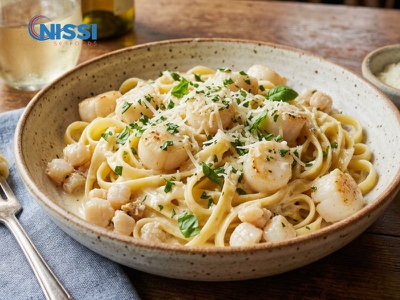
Fettuccine Alfredo With Scallops is a quick and easy recipe! With succulent, juicy scallops, al dente pasta and a creamy parmesan sauce it is a delectable combination.
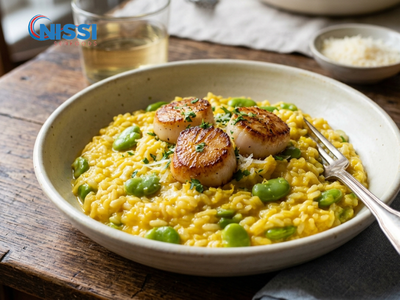
Use large scallops for this dish; if you cannot find them, cook smaller scallops for about a minute less.
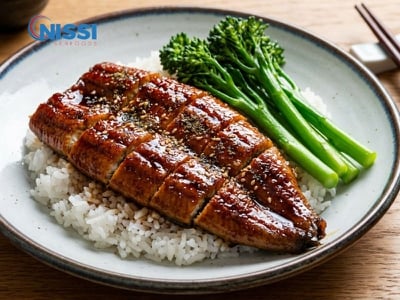
Japanese roasted eel (unagi kabayaki) basted in a sweet Teriyaki glaze pairs perfectly with Bimi (tenderstem broccoli). The umami richness of the fish complements the nutty, crisp-tender vegetable.
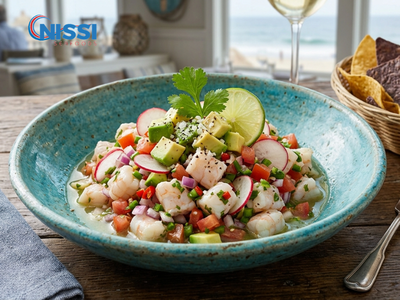
No stovetops, no summer heat—just pure, vibrant freshness that ignites the palate. Shrimp Ceviche is the ultimate celebration of light, clean, and invigorating coastal flavors.
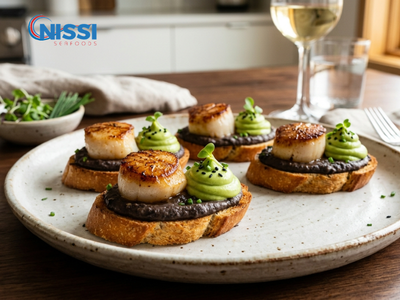
An elegant fusion appetizer features premium scallops, savory black bean purée, and a touch of zesty avocado.